News
Sep. 29, 2026
Aluminum sputtering targets are essential for automotive headlight reflector coating. These targets help enhance the brightness and efficiency of headlights. Many manufacturers face challenges in selecting the right target and process. Understanding these factors can lead to better coating results and improved vehicle safety. Proper coating ensures that headlights provide optimal illumination at night, contributing to road safety. 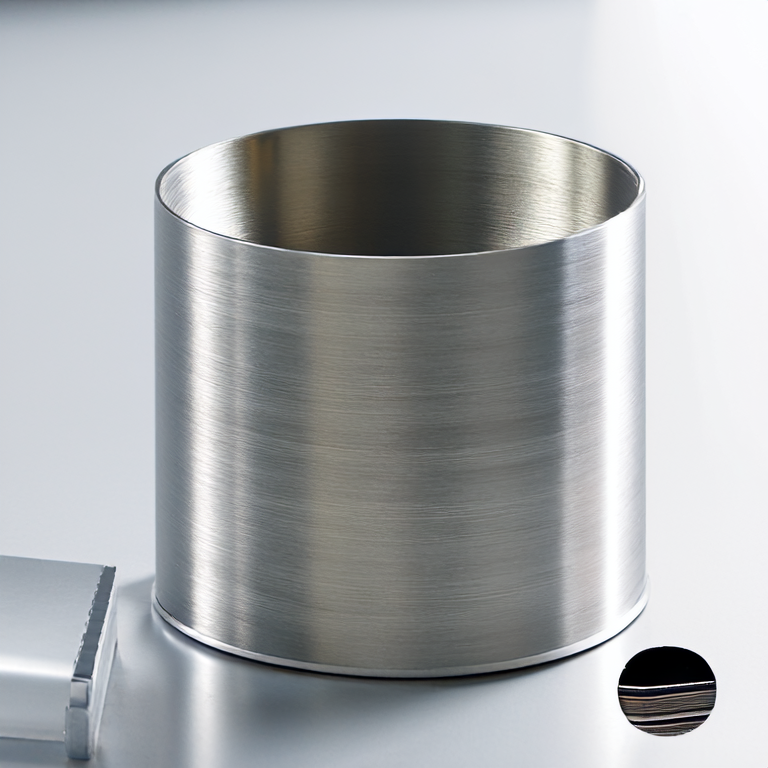
Aluminum sputtering targets are crucial for producing high-quality headlight reflectors. To achieve the best results, focus on selecting the right material, understanding the sputtering process, and optimizing coating parameters.
Choosing a high-purity aluminum target ensures a uniform coating. Impurities can affect the reflectivity and performance of the headlight. Opt for targets with a purity level of 99.99% or higher to achieve the best results.
The thickness of the aluminum target can influence the lifetime of the target during the sputtering process. Common thickness options are 3 mm, 6 mm, and 10 mm. A thicker target may last longer but could also impact the deposition rate.
Surface treatment plays a role in the adhesion of the coating. Techniques like polishing or etching can enhance the target's surface, leading to better performance and smoother coatings.
Adjusting the sputtering power is vital for controlling film growth and quality. Recommended power levels range from 100 to 500 watts, depending on the machine and target dimensions.
The type of gas used during sputtering affects the deposition rate and coating characteristics. Argon is the most common gas used, and maintaining a pressure between 1 to 3 mTorr can yield optimal results.
Temperature during the sputtering process can influence the final properties of the coating. Keeping the substrate temperature between 20 to 200 degrees Celsius helps achieve the necessary adhesion and quality of the coating.
Regular inspection of aluminum targets is necessary to detect wear and tear. Check for surface defects or significant thinning of the target material to ensure consistent performance.
Conduct tests to evaluate the reflectivity and durability of the coated surfaces. This includes performing photometric measurements and adhesion tests to confirm quality standards.
Based on the inspection and quality tests, adjust the sputtering parameters as necessary. Continual process optimization helps achieve the best coating results and extends the target's lifespan.
Understanding the aluminum sputtering target is crucial for automotive headlight reflector coating. By focusing on material selection, optimal sputtering conditions, and rigorous quality control, manufacturers can enhance the efficiency and safety of vehicle headlights. Implementing these tips will lead to high-quality coatings that improve road visibility and safety.
1. What is the main use of aluminum sputtering targets?
Aluminum sputtering targets are primarily used to coat automotive headlight reflectors for better illumination.
2. How does purity affect sputtering targets?
Higher purity levels lead to better coating quality and performance. Impurities can decrease reflectivity and increase defects.
3. What pressure is recommended during sputtering?
A pressure between 1 to 3 mTorr is commonly recommended for optimal results.
4. Why is temperature control important?
Temperature affects adhesion and the overall quality of the coating, making it a crucial factor in the sputtering process.
5. How often should targets be inspected?
Regular inspections should be conducted to monitor wear and ensure consistent coating performance.
6. What adjustments can improve coating quality?
Adjusting power, gas type, and pressure levels based on past results can lead to improved coating outcomes.
RELATED PRODUCTS
Premium Chromium Sputtering Targets for corrosion-resistant PVD coatings. 99.5%-99.95% purity, HIP/HP technology, customizable solutions. Ideal for automotive, photovoltaic, and decorative industries. Trusted quality with ISO-certified production.
Our titanium-aluminum(TiAl) targets are used for decorative coatings on electronic devices. In addition, thanks to the resistance to oxidation and toughness, our titanium-aluminum targets are also widely used as the coatings of milling machines, drills and other tools.
Thanks to the toughness, high thermal stability and resistance to oxidation, our chromium-aluminum (CrAl) targets are widely used as the coatings of milling machines, drills and other tools.
RELATED NEWS
Jun. 20, 2024
PVD – acronym for Physical Vapor Deposition – is an environmental friendly high vacuum coating technology for thin film deposition on different kinds of base materials in plasma atmosphere.
Jun. 20, 2024
PVD Thin Film Coating for Hardware Tool and Mould
Protective wear coatings can be used for sheet metal pressing, steel forming, aluminum foundries, and for the production of machine parts and components for the automotive industry.
Jun. 20, 2024
Sputtering as a phenomenon was first observed back in the 1850s but remained a scientific curiosity until the 1940s, when diode sputtering was firstly used to some significant extent as a commercial coating process.


